
A plain-English walkthrough of Kenya's Occupational Safety and Health Act 2007 — duties of employers, safety committees, reporting obligations, penalties and how to prove compliance to DOSHS inspectors.
The Occupational Safety and Health Act, 2007 (No. 15 of 2007) is the primary workplace safety law in Kenya. Administered by the Directorate of Occupational Safety and Health Services (DOSHS), it applies to virtually every workplace — offices, factories, farms, hospitals, schools and construction sites. Here is what it demands of you, in plain English.
The core duty (Section 6)
Every employer must "ensure the safety, health and welfare at work of all persons working in the undertaking". Concretely that means:
- Providing and maintaining safe plant and systems of work.
- Controlling the use, handling and storage of dangerous substances.
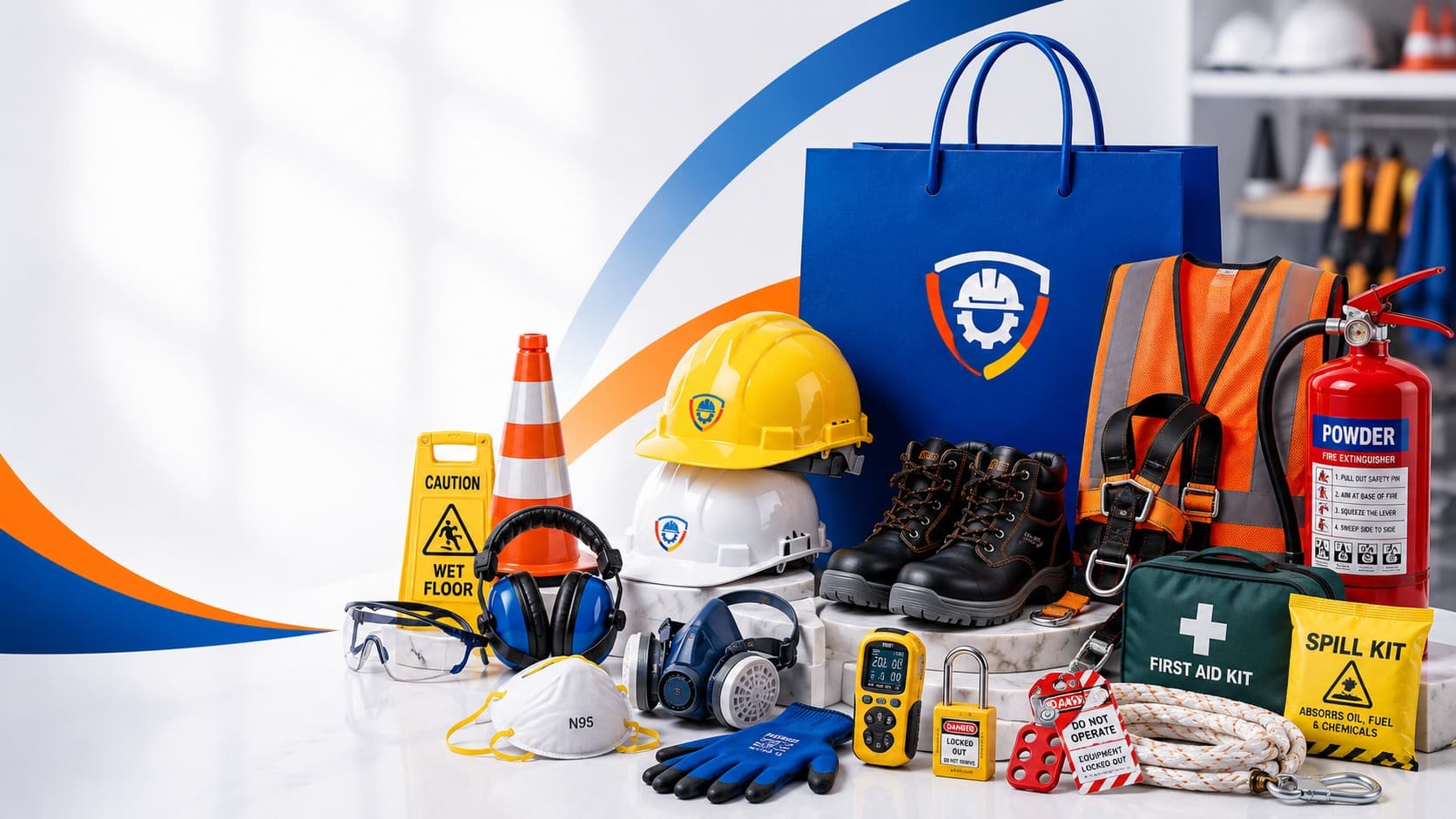
- Providing free PPE and ensuring it is used.
- Providing information, instruction, training and supervision.
- Maintaining a safe working environment with adequate amenities.
Workplace assessment and registration (Sections 20–24)
Workplaces with 20 or more employees must be registered with DOSHS and the premises assessed for safety and health conditions. Annual re-registration and updated assessments are expected — many sites only discover this during an inspection or tender audit.
Safety committees (Section 38)
Workplaces with more than 20 employees must establish a safety and health committee with employer and employee representatives. The committee should meet regularly, inspect the workplace and review accident reports. Keep signed minutes — inspectors ask for them.
First aid, fire and emergency preparedness
The law and its subsidiary regulations require:
- First aid boxes stocked per the approved contents list, with trained first aiders on each shift.
- Fire prevention equipment — extinguishers, alarms and escape routes — maintained and tested.
- Fire drills and evacuation procedures documented and rehearsed.
- Written emergency procedures displayed where workers can see them.
Accident and dangerous occurrence reporting
Report fatalities and serious injuries to DOSHS within 24 hours, and maintain a register of all accidents. Failure to report is itself an offence. Accurate registers also matter for the Work Injury Benefits Act claims process.
Penalties for non-compliance
Fines under the OSH Act can reach KES 1 million for repeat or serious offences, with possible imprisonment for individuals. Beyond fines: stop-work orders, liability in injury compensation claims, insurance premium increases and disqualification from government tenders — which for many Kenyan organisations is the most expensive consequence of all.
Your quick compliance checklist
- Workplace registered with DOSHS (if 20+ employees).
- Risk assessments conducted and documented.
- Safety committee active, with minutes.
- First aid kits stocked and inspected monthly.
- Fire extinguishers inspected monthly, serviced annually.
- PPE provided free, certified and size-appropriate.
- Accident register maintained; serious incidents reported within 24 hours.
- Worker training recorded.
- Medical examination arrangements for hazardous work.
Where to get help
Equip yourself from certified safety supplies — first aid kits, fire extinguishers and PPE — and let our team support your bulk procurement with tender-ready documentation. Our OSH Act guide goes deeper into the legal detail.